
Category-Specific Insights
Different product categories show distinct patterns within Black male fashion consumption:
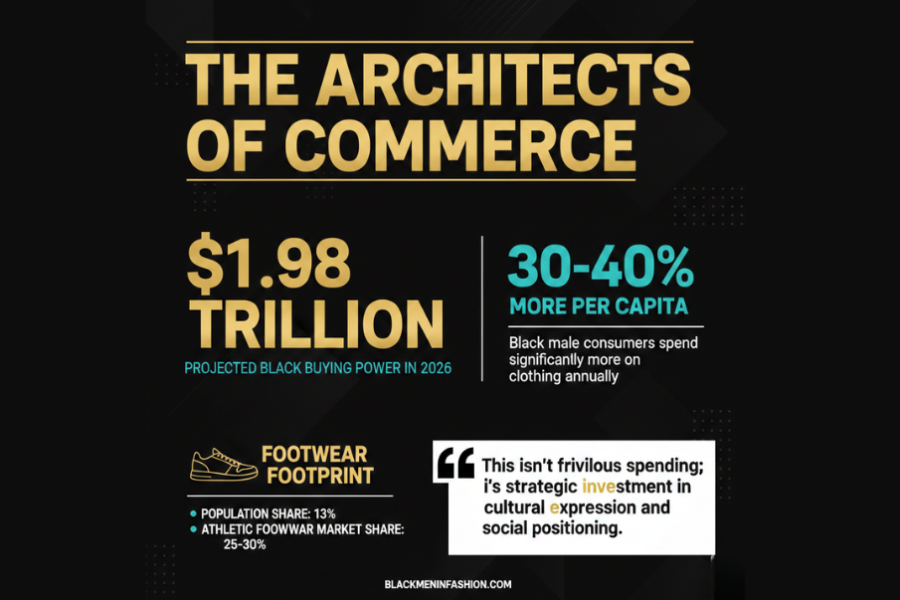
Footwear: The dominant category for discretionary spending. Sneaker culture drives significant purchasing, with some consumers owning 50+ pairs. Athletic brands dominate, but luxury sneakers are gaining ground. Resale participation is high—buying and selling as an investment activity. Dress shoes are seeing a renaissance among professionals seeking distinction.
Streetwear: Hoodies, graphic tees, joggers, and statement outerwear command significant spending. Brand collaborations and limited releases drive urgency. Younger demographics lean heavily here, but aging up as millennials maintain streetwear elements into professional years. Black-owned streetwear brands are building loyal followings.
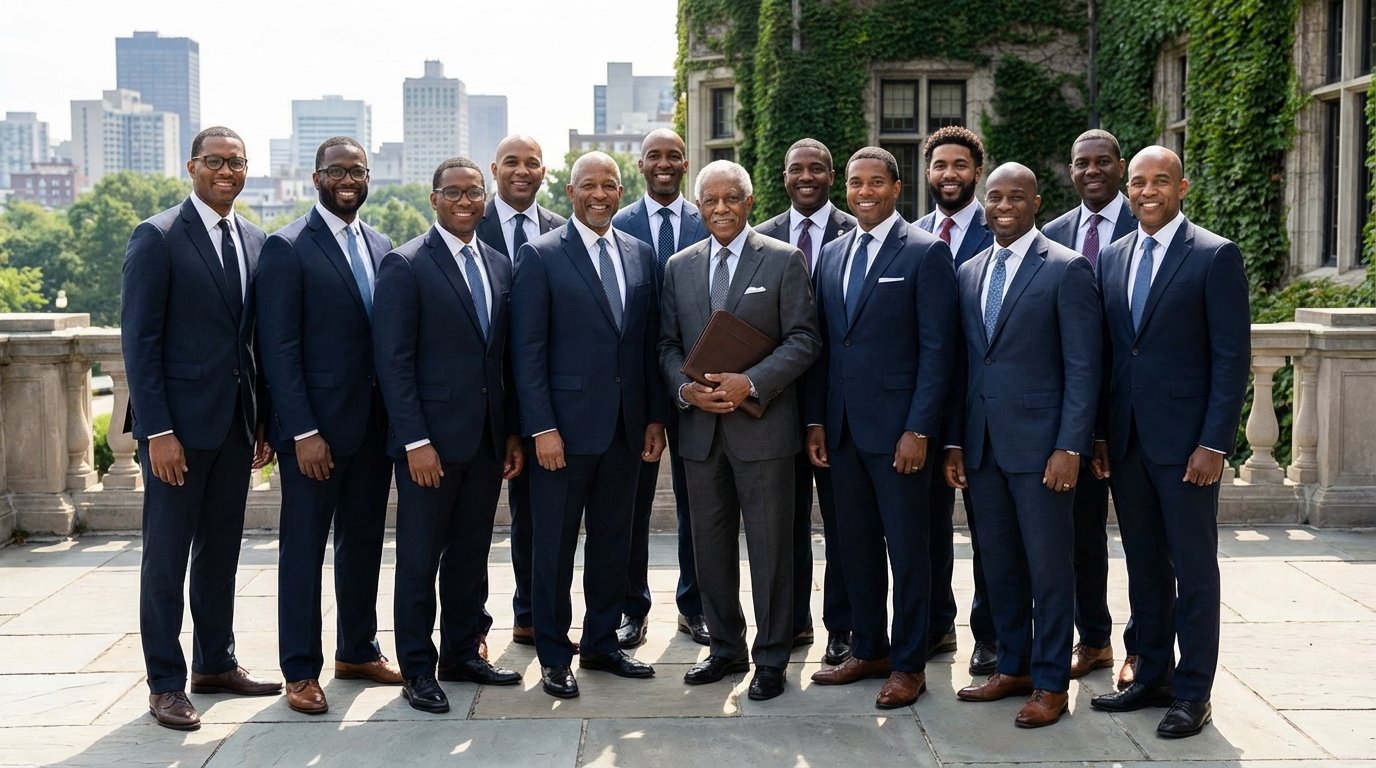
Suiting and Formal Wear: Underserved category with massive opportunity. Black professionals seeking suits that fit athletic builds and provide cultural expression alongside corporate appropriateness. Frustration with limited options is driving both custom tailoring demand and interest in brands specifically designed for Black male bodies.
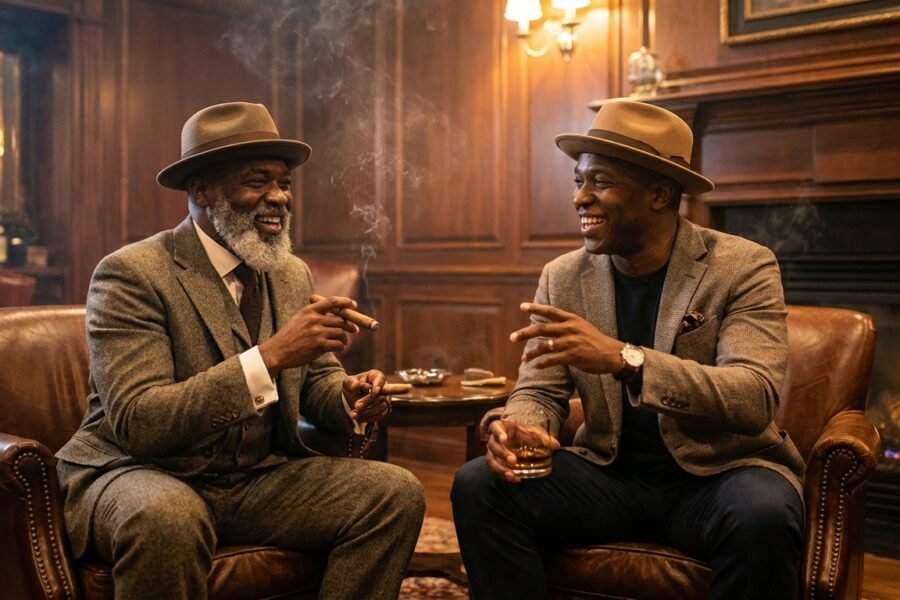
Accessories: Watches, jewelry, bags, and hats show strong growth. Serve dual purposes: functional and symbolic. High-value watches are particularly significant as wealth indicators and heirlooms. Hat culture is experiencing a revival, connecting to historical Black elegance traditions.
Grooming and Personal Care: While adjacent to fashion, this category shows exceptional growth. Black men are increasingly investing in skincare, hair care, and grooming products specifically formulated for their needs. Represents both self-care and presentation enhancement.
The Digital Transformation
Black male fashion consumers are digital-first, mobile-native, and social-media fluent—characteristics that shape purchasing behavior and brand interaction.
E-Commerce Dominance: Black male consumers show higher comfort with online purchasing than many demographic segments. They research extensively before buying, comparing prices across platforms, reading reviews, and watching unboxing videos. Mobile commerce is particularly strong—shopping happens on phones during commutes, breaks, and late-night browsing.
Social Media Influence: Instagram, TikTok, and YouTube drive discovery and purchase decisions. Black male style influencers command engaged audiences that translate to sales for featured brands. User-generated content and authentic reviews matter more than traditional advertising. Brands that create shareable content and leverage influencer partnerships see stronger performance.
Resale Platforms: StockX, GOAT, Grailed, Depop, see heavy participation from Black male consumers both as buyers and sellers. The resale market represents democratization of access to premium goods and an investment opportunity. Some consumers treat fashion purchasing as portfolio building—buying items expected to appreciate.
Direct-to-Consumer Appreciation: Black male consumers show strong support for DTC brands that offer quality at better price points than traditional retail. Willingness to try emerging brands if the value proposition is clear and product quality proven. Social proof through reviews and influencer co-signs is particularly important for DTC adoption.
The Virtual Try-On Challenge: Despite digital comfort, Black male consumers face specific frustration: many virtual try-on and AI styling tools are trained on data sets that don’t include diverse skin tones or body types. This creates an opportunity for brands that solve this problem authentically.
Brand Loyalty and Switching Patterns
Black male consumers exhibit complex brand loyalty patterns that reward authentic engagement while punishing missteps severely.
Earning Loyalty: Brands build Black male loyalty through:
- Consistent quality delivery of products
- Inclusive sizing and fit that accommodates diverse body types
- Authentic cultural engagement beyond performative gestures
- Representation in marketing and leadership
- Support for Black communities and causes
- Collaboration with Black designers, creatives, and influencers
- Recognition of cultural contributions without appropriation
Maintaining Loyalty: Once established, Black male brand loyalty runs deep—crossing into generational territory. Sons wear brands their fathers trusted. Entire families demonstrate Nike, Polo, or Jordan’s allegiance spanning decades. But this loyalty isn’t guaranteed; it’s re-earned with each interaction and product release.
Losing Loyalty: Brands lose Black male consumers through:
- Quality decline while maintaining premium pricing
- Cultural appropriation or insensitive marketing
- Lack of representation in meaningful roles
- Ignoring feedback about fit, sizing, or product needs
- Performative activism without substantive action
- Association with controversial figures or policies that harm Black communities
- Failure to defend Black consumers when they face discrimination in stores
The Switching Cost: When Black male consumers switch brands, they don’t just stop buying—they actively advocate against. Social media amplifies negative experiences quickly. A viral video of store discrimination, a widely criticized ad campaign, or a quality failure can erase decades of brand equity overnight.
The Opportunity in Switching: Conversely, when consumers switch TO a brand, they often become evangelists. First-time customers who have exceptional experiences share those stories, recommend to networks, and drive organic growth that marketing budgets can’t buy.
The Representation Gap and Its Business Cost
Despite Black male influence on fashion trends and significant spending power, representation in fashion industry leadership, design roles, and marketing remains disproportionately low. This gap costs the industry billions in unrealized revenue and missed opportunities.
The Numbers: Black individuals hold approximately 4% of executive positions in fashion despite representing 13% of the population and wielding outsized market influence. Design teams at major brands rarely reflect the diversity of their consumer base. Marketing departments often lack Black leadership even when targeting Black consumers.
Why This Matters Economically: Homogeneous teams create products, marketing, and experiences that miss the mark. Suits that don’t fit athletic Black builds. Marketing campaigns using models that don’t represent the target consumer. Store experiences that alienate rather than welcome. Each miss represents lost sales, damaged brand equity, and opportunities for competitors.
The Examples: When brands get representation right—hiring Black designers, featuring authentic Black models, consulting Black stylists—products perform better. Pyer Moss, Fear of God, and other Black-led brands succeed partly because design thinking starts with understanding Black male bodies, aesthetics, and needs. Mainstream brands that bring Black voices into product development see improved fit, better reception, and stronger sales in this demographic.
The Path Forward: Industry diversification isn’t just an ethical imperative—it’s a competitive advantage. Brands that genuinely integrate Black talent across design, marketing, and leadership positions position themselves to capture market share from competitors still operating with homogeneous teams.
The Black-Owned Brand Phenomenon
Black-owned fashion brands are experiencing growth and consumer support driven by cultural pride, quality products, and intentional community investment.
Market Dynamics: Black consumers, particularly younger demographics, actively seek and support Black-owned brands. This represents both values-driven consumption and recognition that Black-owned businesses often better understand Black consumer needs.
Growth Trajectory: Black-owned fashion brands grew substantially in recent years, accelerated by social justice movements and increased consumer consciousness. Brands like Telfar, Kith (co-owned), Salone Monet, and others have moved from niche to mainstream recognition.
Challenges: Black-owned brands face systemic barriers, including:
- Harder time accessing capital for scaling
- Less representation in major retail partnerships
- Higher marketing costs without conglomerate backing
- Manufacturing and production challenges
- Limited mentorship and industry network access
Opportunities: Despite challenges, Black-owned brands benefit from:
- Built-in cultural authenticity and community support
- Direct access to underserved consumer needs
- Agility to respond to market shifts quickly
- Strong social media presence and organic word-of-mouth
- Growing investor interest in diverse-owned businesses
Consumer Support Patterns: Black male consumers will pay premium prices for Black-owned brands if quality meets or exceeds alternatives. They’ll forgive early stumbles and provide constructive feedback. They’ll advocate aggressively to their networks. This creates sustainable growth if brands deliver consistently.
The Luxury Market Opportunity
Black male consumers represent a significant and growing segment of luxury fashion spending—a reality that luxury houses increasingly recognize and compete for.
The Numbers: While specific figures vary, research indicates Black consumers account for a substantial proportion of luxury goods spending disproportionate to population size. Among Black consumers, men show particularly strong interest in luxury watches, footwear, and accessories.
Motivations: Black male luxury consumption serves multiple purposes:
- Status signaling and success demonstration
- Quality appreciation and investment in lasting goods
- Cultural connection through specific heritage brands
- Self-reward for professional achievement
- Heirloom creation for generational wealth transfer
Brand Preferences: Certain luxury brands enjoy particular resonance with Black male consumers: Louis Vuitton, Gucci, Balenciaga in fashion; Rolex, Audemars Piguet, Patek Philippe in watches; Christian Louboutin, Balenciaga, Gucci in footwear. This preference often reflects cultural adoption by visible Black figures—athletes, musicians, entrepreneurs—who elevate specific brands within community consciousness.
The Service Gap: Despite spending power, Black male luxury consumers report frequent discrimination and poor service in luxury retail. Being followed in stores, questioned about purchase ability, receiving dismissive service damages brand relationships and shifts spending elsewhere. Brands that train staff, create welcoming environments, and genuinely appreciate Black clientele gain disproportionate loyalty.
The Emerging Market: As Black wealth grows—particularly among younger entrepreneurs and professionals—luxury brands face a decision: authentically engage this demographic as valued customers or maintain exclusive positioning that alienates. Those choosing engagement are capturing significant market share.
Regional Variations and International Markets
Black male fashion consumption patterns vary significantly by geography, creating both complexity and opportunity.
U.S. Regional Differences:
South (Atlanta, Houston, Dallas, Memphis): Strong fashion consciousness, brand loyalty to heritage labels, growing streetwear adoption, and appreciation for bold colors and statement pieces. Church culture influences Sunday best traditions that elevate casual week-to-week presentation.
Northeast (New York, Boston, Philadelphia, D.C.): Sophisticated urban style, trend-early adoption, strong sneaker culture, professional wardrobe emphasis, appreciation for both streetwear and tailoring. Higher luxury consumption in major metro areas.
West Coast (Los Angeles, San Francisco, Seattle): Casual-leaning with quality emphasis, heavy streetwear and athleisure, strong sneaker collecting culture, entertainment industry influence on style, comfort-forward approach even in professional contexts.
Midwest (Chicago, Detroit, Minneapolis): Practical style with flash moments, appreciation for durability, strong urban fashion culture in major cities, weather-appropriate focus influencing seasonal spending, value-conscious premium purchases.
International Markets:
Caribbean: Strong fashion consciousness influenced by both American and British traditions. Caribbean diaspora maintains connections to homeland-style influences. A growing luxury market among the emerging middle and upper classes.
Africa: Rapidly expanding middle class creating massive opportunity. Blending traditional and contemporary aesthetics. Interest in both global brands and Pan-African labels. Mobile-first commerce is creating access. Diaspora connections driving trend exchange.
Europe: Established Black communities with a distinct style influenced by local cultures. London, Paris, and Amsterdam show particularly sophisticated urban fashion scenes. Different brand hierarchies from the U.S. market.
Canada: Strong fashion market in Toronto, Montreal, and Vancouver. Influenced by both U.S. and British trends. Growing Black-owned brand ecosystem.
The Future: Five-Year Market Projections
Based on current trends, demographic shifts, and economic forecasts, the Black male fashion market trajectory points toward several likely developments:
Continued Market Growth: Black buying power projected to exceed $1.8 trillion by 2030. Male fashion spending is likely to grow faster than the general apparel market, given cultural factors driving presentation investment and wealth accumulation among younger Black professionals and entrepreneurs.
Digital Dominance Deepening: Online purchasing will continue displacing traditional retail, particularly as augmented reality and virtual fitting technologies improve representation of diverse body types and skin tones. Brands investing in inclusive digital experiences will capture disproportionate growth.
Black-Owned Brand Maturation: The current generation of Black-owned fashion brands will scale significantly, with some achieving major retail partnerships, international expansion, and potential acquisition by conglomerates. New brands will continue launching with better funding and infrastructure than the previous generation.
Luxury Market Expansion: As Black wealth grows, particularly among millennials and Gen Z, inheriting and creating wealth, luxury spending will accelerate. Brands authentically engaging Black consumers now will benefit; those waiting will struggle to build trust and credibility.
Sustainability and Ethics Rise: Younger Black consumers increasingly factor environmental and labor ethics into purchase decisions. Brands demonstrating genuine sustainability and fair labor practices gain an advantage. Greenwashing and performative activism get called out and punished.
Customization and Personalization: Demand for products specifically designed for Black male body types and aesthetic preferences will drive growth in custom tailoring, made-to-order services, and brands built from the ground up for this demographic rather than retrofitting existing lines.
Cultural Fusion Acceleration: Blending of African, Caribbean, African American, and global influences in fashion will accelerate, creating new aesthetic categories. Brands facilitating this fusion while respecting cultural origins will thrive.
Strategic Implications for Brands
For fashion brands, understanding the Black male market offers clear strategic imperatives:
Invest in Authentic Relationships: One-off campaigns during Black History Month don’t build lasting equity. Year-round engagement, genuine community investment, and consistent representation matter.
Solve Real Problems: Create products that actually fit Black male bodies. Offer colors and styles that complement darker skin tones. Address specific needs rather than assuming one-size-fits-all.
Diversify Leadership and Creative Teams: Can’t authentically serve a market without voices from that market in decision-making roles. Hiring Black talent isn’t charity—it’s a competitive advantage.
Respect Cultural Contributions: When drawing inspiration from Black culture, acknowledge it. Credit it. Compensate it. Appropriation without recognition damages brand equity permanently.
Deliver Consistent Quality: Black consumers forgive many things, but not quality decline. Premium pricing demands premium product delivery every single time.
Create Inclusive Retail Experiences: Train staff, audit for bias, create welcoming environments. Discrimination in stores loses not just that customer but everyone they tell.
Engage with Resale and Digital: Meet consumers where they are—online, on mobile, in resale markets. Resistance to these channels means missing the market.
Support Black-Owned Businesses: Partner with Black-owned brands, manufacturers, and retailers. Stock Black-owned products. Invest in Black entrepreneurs. This builds ecosystem health that benefits everyone.
The Bottom Line
The Black male fashion market represents one of the most significant opportunities and influences in global fashion. The $1.6 trillion in Black buying power, disproportionate fashion spending, cultural trendsetting influence, and growing wealth accumulation among younger demographics create conditions for explosive growth.
Brands that understand this market’s complexity, respect its cultural foundations, deliver authentic value, and build genuine relationships will thrive. Those who treat it as monolithic, exploit without reciprocation, or fail to recognize its economic and cultural power will lose not just Black male consumers but the broader audiences influenced by their choices.
This isn’t niche market analysis—it’s recognition that Black men have always been central to fashion innovation, trend creation, and market dynamics. The question isn’t whether brands should engage this market. The question is whether they’ll do it authentically enough to succeed.